What is a planetarium projector?
A planetarium projector is a high-resolution digital system (starting at 3.66Million pixels Projection-Dome-Resolution) that projects immersive, full-dome astronomy and science content using specialized optics and astronomy software. These systems simulate space environments, scientific data, and 3D visualizations for education, research, and public outreach.
Planetariums have evolved into three types: optical-mechanical, digital, and hybrid systems.
Digital systems allow users to “fly” through space in 3D simulations. Multi-projector blending enables full-dome, ultra-high-resolution experiences (even 8K-10K). Today’s planetarium systems are not just projectors, they are complete visualization environments.
How do you choose a 4K planetarium projector for schools and universities?
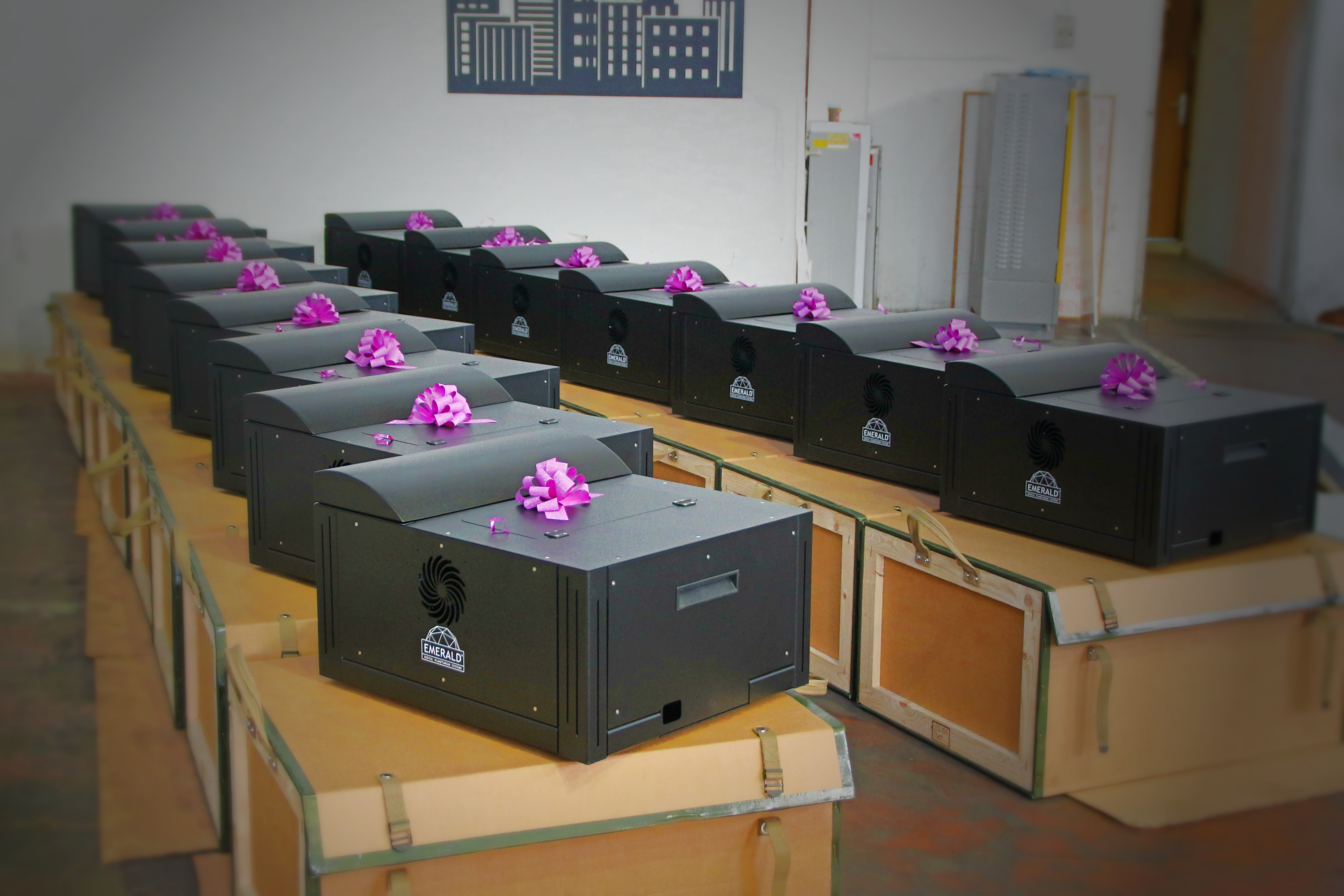
To choose a digital planetarium projector, evaluate dome size, brightness, projection system type, software capabilities, and research integration.
School planetarium systems - focus on ease of use, curriculum-based content, and low maintenance.
University systems - may require higher brightness, research capabilities, and integration with scientific data for teaching, research, and public engagement and scalability for research and interdisciplinary STEAM applications.
Universities often operate larger domes and host public programs, requiring brighter systems for clarity and scalability.
Digital systems project both stars and darkness, which creates challenges if not callibrated optimally:
- Black levels may not be perfectly dark
- Stars can be limited by pixel resolution and 'optical aberrations'. For example, star size in digital systems cannot be smaller than a pixel, affecting realism.
- Brightness vs contrast must be balanced
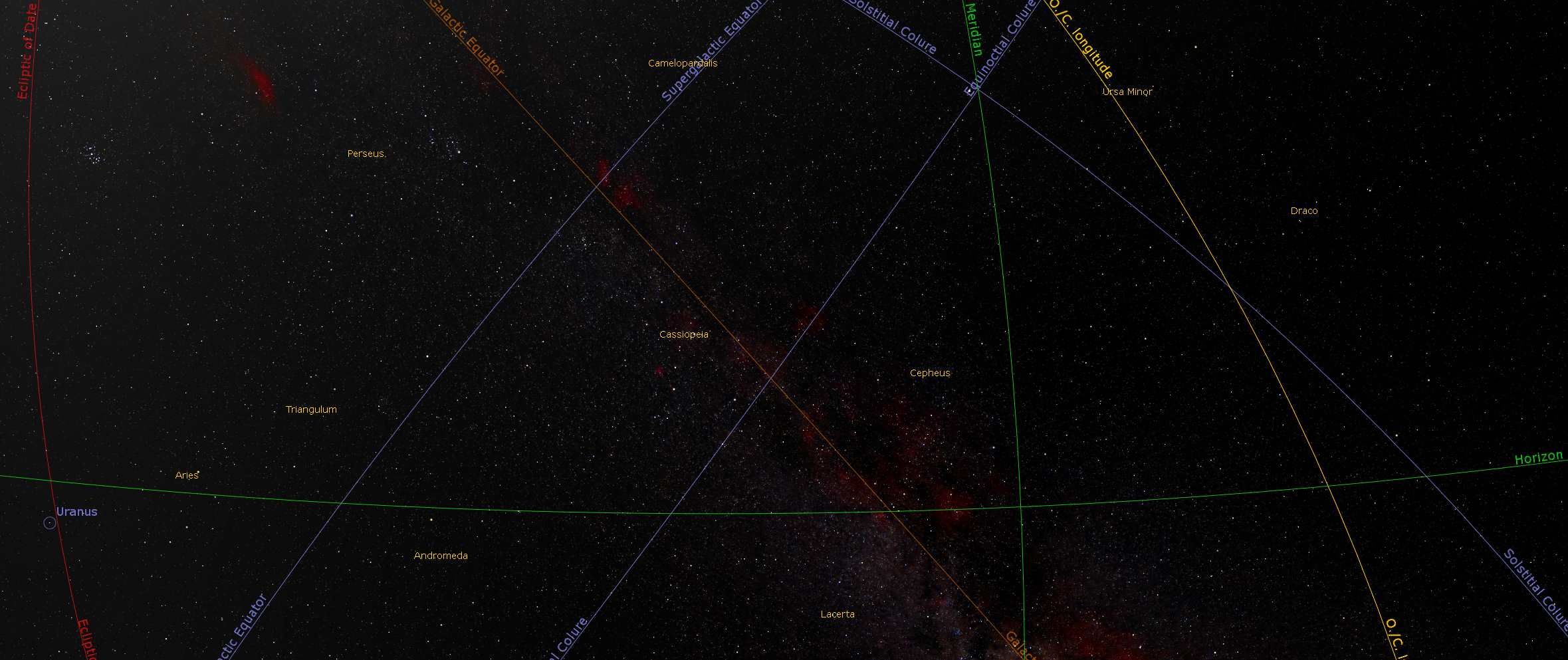
Emerald Planetarium systems are designed for educators, science centers, and universities.
Capable of delivering stunning high-resolution immersive experiences Emerald systems include advanced software like MV², enabling:
- Exploration of the entire known universe in real time
- Integration of datasets (astronomy, biology, physics)
- Creation of custom shows and simulations
Digital systems must support:
- Professors (not just technicians)
- Fast lecture transitions
- Student-led presentations
- Plug-and-play operation
- Intuitive interfaces
Can planetariums be used beyond astronomy in universities?
Planetariums now support STEAM multidisciplinary education, such as biology, environmental science and even engineering. Enable visualization of DNA, cells, and complex systems in 3D
while supporting broader STEAM education frameworks. This is important for universities aiming to justify ROI across departments.

What advanced features should universities look for?
Universities and educators should prioritize:
- Live-Observatory-Planetarium-Connection (real-time astronomy data)
- High-resolution datasets (deep space, Earth science)
- Intuitive-control and collaborative tools
- Interactive presenter tools
- Custom content creation
- Custom optics - tailored to your specific dome-installation
What is the best 4K planetarium projector for universities?
The best 4K planetarium projector for universities is a high-brightness, laser-based system with advanced simulation software, real-time data integration, and full-dome customized optics. It should support research, interdisciplinary teaching, and public outreach while remaining easy to operate for faculty and students.
Choose based on:
- Dome size and brightness needs
- Optics customization required for your dome
- Classic astronomy and fulldome shows, or a comprehensive STEAM solution for education and research
- Ease of use
- Long-term scalability
Contact the Emerald team for more information.
Can universities use planetariums for research?
Yes, modern digital planetariums allow universities to visualize scientific datasets, simulate space environments, and integrate real-time observational data, making them valuable tools for research and advanced teaching.
Are portable planetariums suitable for universities?
Portable systems are useful for outreach and smaller programs, but universities typically require fixed installations for higher brightness, scalability, and continuous use.
